What It’s Like to Live Here
For decades, plenty of Columbus folks jokingly called it "Grovetucky." It was the quiet, rural-feeling town off the southwest corner of the outerbelt, ringed by 13-acre farms, where a trip to Stringtown Road counted as the big shopping run.
Like everywhere around Central Ohio, that picture has changed in a hurry. Subdivisions have filled in a lot of the old farmland, and the historic Beulah Park racetrack off Broadway, which ran its last race in 2014, is now a walkable neighborhood with a city park at its center. What hasn't changed is the personality: friendly, unpretentious, and full of longtime residents who genuinely love where they live.
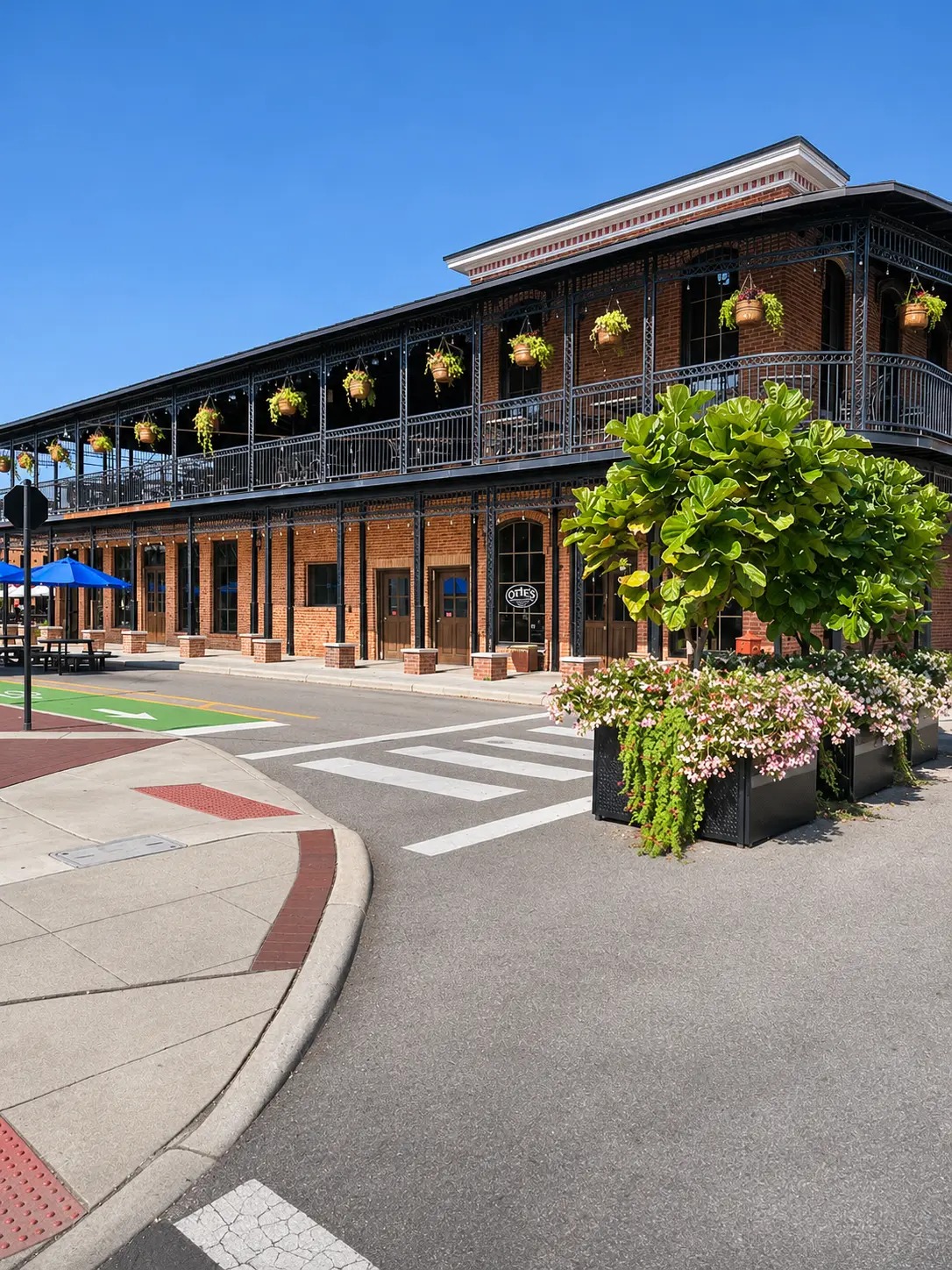
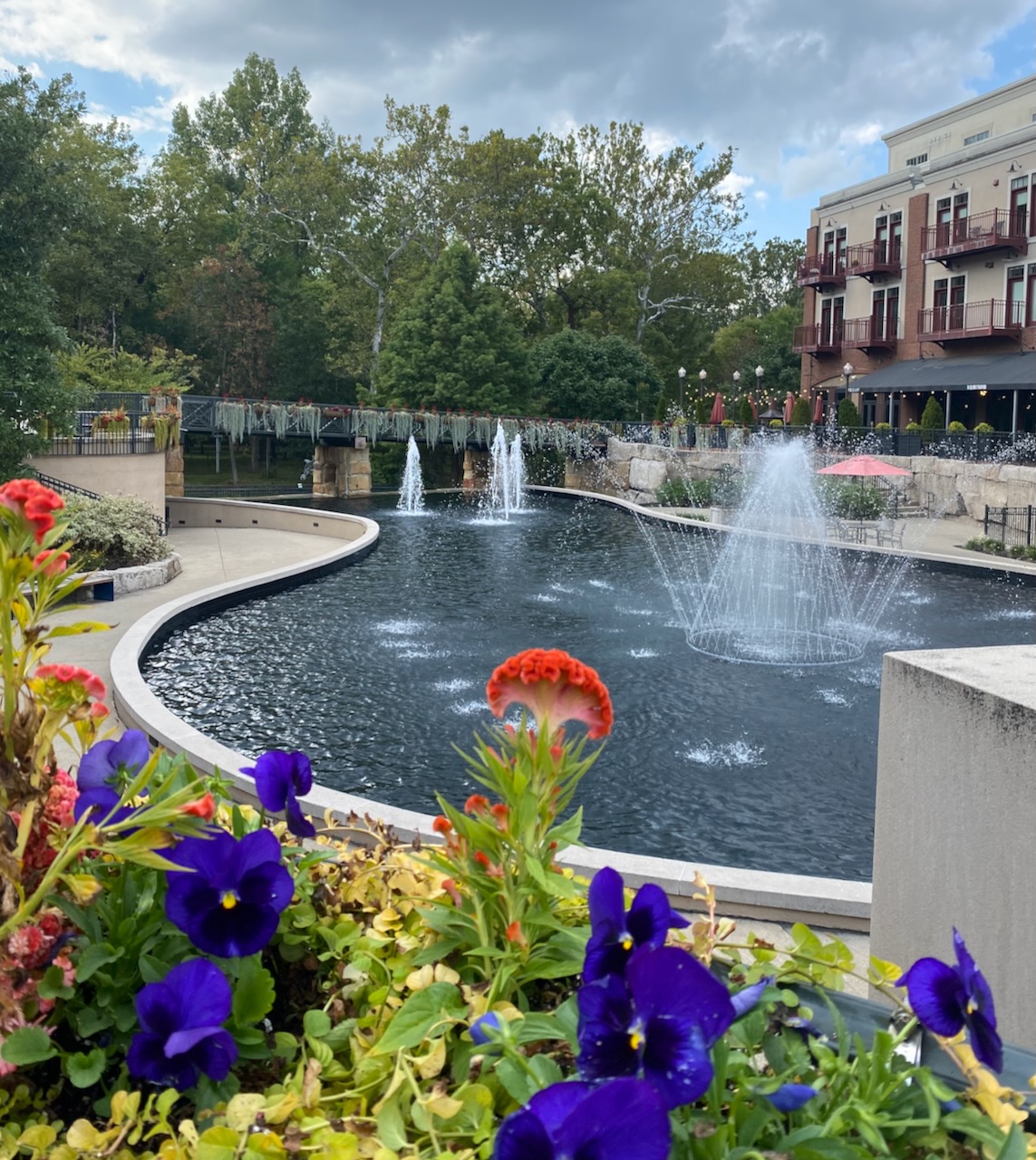
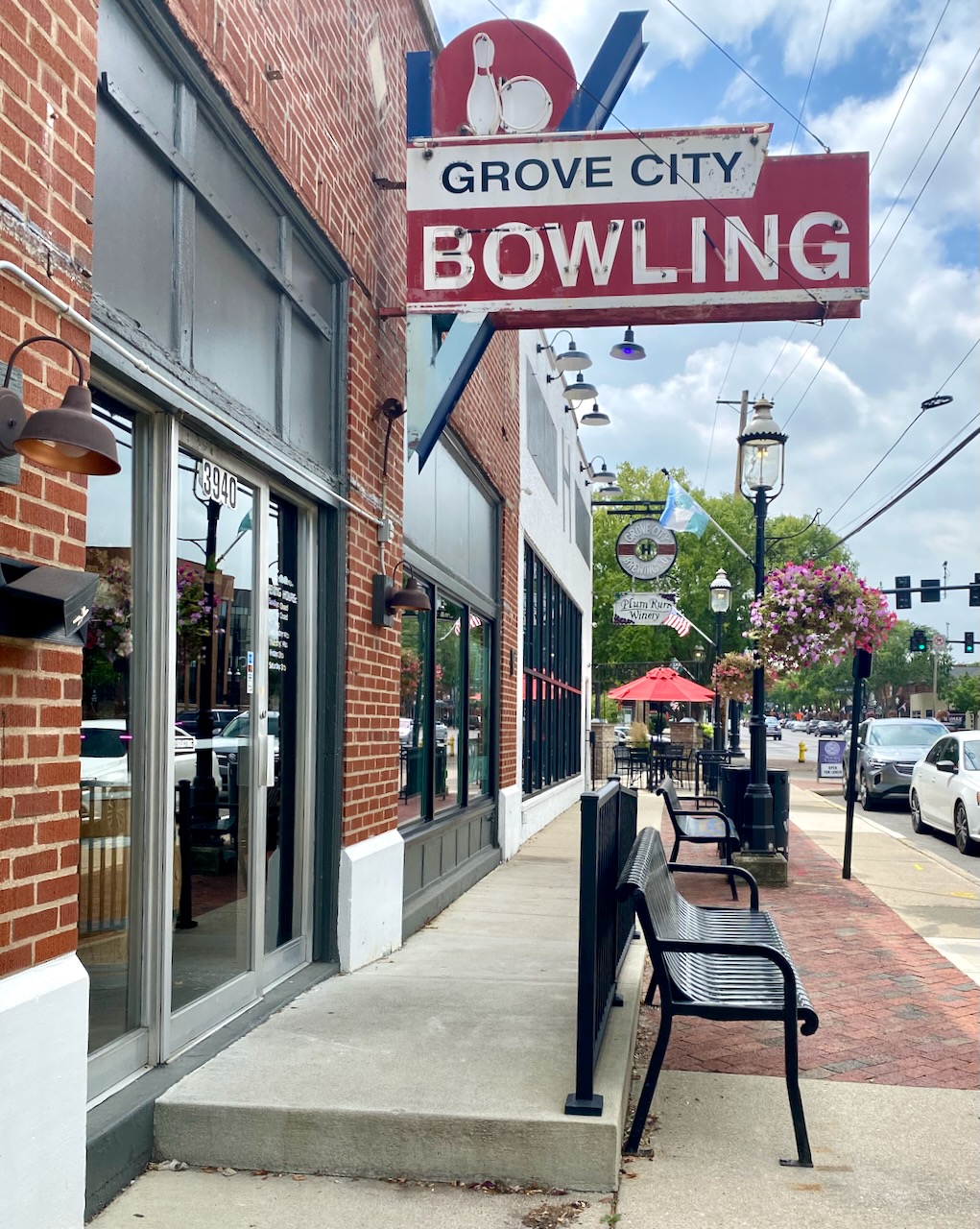
On a normal Tuesday, it's school drop-off, an errand run on Stringtown, and a quick hop up I-71 to work. Saturdays drift toward Town Center: coffee on Broadway, the farmers market in season, and a patio beer before an evening show at the Little Theatre Off Broadway.
Buyers who want real value, an easy Downtown commute, and a down-to-earth town that doesn't take itself too seriously.
Getting Around
Grove City sits at about 7 o'clock on the Columbus clock face, just south of I-270 along I-71, so Downtown is closer than most newcomers expect. Off-peak, Downtown Columbus is a 12-to-15-minute straight shot north on I-71, with German Village and the Brewery District even closer. The pinch point is Stringtown Road at I-71, which backs up at rush hour and on weekends, so locals slip out on Broadway (US-62) or Jackson Pike instead. CMH usually runs 20–25 minutes around I-270 or through Downtown on I-70.
Schools + Boundaries
Grove City is served by South-Western City Schools, and we'd rather give you the honest picture than the brochure version. South-Western is one of Ohio's largest districts by total enrollment, serving Grove City mainly through Grove City High School and Central Crossing High School. It struggled to pass levies when the area was smaller and still posts more mixed state report-card scores than top-performing Columbus suburbs, but booming residential growth and rebuilt facilities, including the new Beulah Park Middle School, have strengthened the district. A Columbus-annexed pocket of 43123 doesn't automatically mean Columbus City Schools, so we confirm every parcel's school assignment.
Property Taxes
Grove City is all Franklin County, but which side of a municipal line your house sits on decides your income tax rate. The 43123 ZIP is split between the City of Grove City (2.0% city income tax), Jackson Township (0% municipal income tax), and pockets annexed into Columbus (2.5%). Grove City gives residents full credit, up to 2.0%, for tax paid where they work, so the rate hits hardest for remote workers. Two similar-priced houses a few streets apart can land in different taxing districts, so we verify every parcel's exact boundary before you settle on a home.
Homes + Market
Grove City is one of the best relative values among Franklin County suburbs, with nearly every housing era represented. Near Town Center, older historic homes sit on shaded streets within walking distance of Broadway. Around them, 1960s–80s ranches and split-levels make some of the area's best first-home buys, though plenty are overdue for updates, so plan on an inspection that looks closely.
Farther out, sprawling 1990s–2020s subdivisions bring open floor plans and bigger garages, while Beulah Park adds newer single-family homes, patio-home condos, and townhomes right next to Town Center. Across all of it, price points stay more approachable than Dublin, Powell, or Upper Arlington.
What’s Changing
Beulah Park's final pieces: The 220-acre former racetrack site is nearly built out, with the Beulah Crossing mixed-use buildings marking its entrance from Town Center.
A new Town Center park: The city's 2026 capital plan set aside money for detailed design of a Town Center park.
Farmland keeps filling in: New subdivisions keep pushing south and west into Jackson Township, which makes boundary and tax checks matter more every year.